Blogs



newsroom
News & Updates
Recent Updates
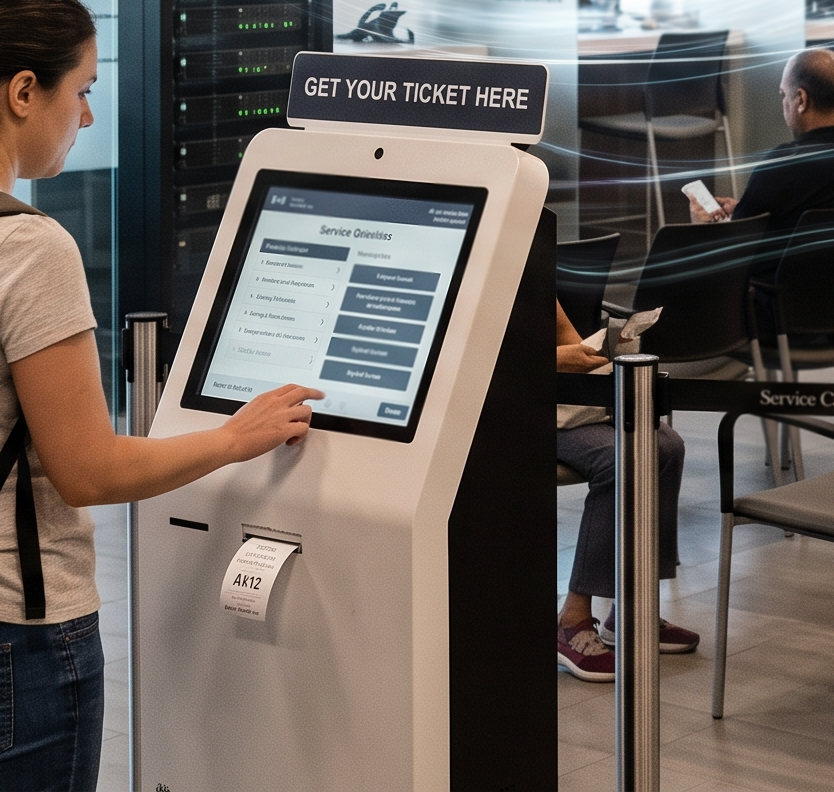
How do modern queue management systems reduce waiting times?
Published: February 5, 2026

How do modern queue management systems reduce waiting times?
Modern queue management systems reduce waiting times by leveraging real-time data analytics, digital ticketing, and automated resource allocation to optimize customer flow and service delivery. These systems enable customers to join queues remotely, receive live updates on their queue position, and allow organisations to dynamically adjust staffing and service points based on actual demand patterns.
By replacing traditional first-come-first-served queues with intelligent scheduling and virtual queuing capabilities, modern systems eliminate physical congestion, minimize idle waiting, and transform service delivery into a predictable, customer-centric experience. The result is measurable reductions in wait times, improved staff productivity, and enhanced customer satisfaction across sectors including healthcare, government services, banking, and retail.
What core technologies enable queue management systems to reduce wait times?

Queue management systems reduce wait times through a combination of real-time data analytics, digital ticketing platforms, and automated notification systems. These technologies work together to monitor customer flow, predict peak periods, and allocate resources dynamically to match service demand.
Real-time analytics engines continuously track queue lengths, average service times, and staff availability across all service points. This data enables managers to identify bottlenecks as they occur and redistribute staff or open additional counters to prevent delays from escalating. Predictive algorithms also use historical data to forecast busy periods, allowing proactive staffing adjustments before congestion occurs.
- Digital ticketing systems allow customers to join queues via mobile apps, kiosks, or online portals, eliminating the need to stand in physical lines
- Automated SMS and push notifications keep customers informed of their queue position and estimated wait time, reducing uncertainty and perceived delays
- Virtual queue functionality enables customers to wait remotely and return only when their turn approaches, freeing them to use waiting time productively
- Integration with enterprise systems such as Hospital Information Management Systems (HIMS) enables pre-registration and direct routing to service points, bypassing traditional check-in queues entirely
These technologies combine to create a transparent, efficient queuing environment where waiting time is minimized through better information flow, optimized resource allocation, and reduced physical congestion.
How do queue management systems improve operational efficiency for service providers?
Queue management systems improve operational efficiency by providing managers with actionable performance data, enabling evidence-based decisions that optimize staff deployment and service delivery. The systems generate detailed metrics on service times, queue lengths, staff utilization rates, and peak demand patterns, revealing inefficiencies that would otherwise remain hidden.
With access to real-time dashboards and historical trend analysis, operations managers can identify underperforming service points, redistribute workloads, and adjust staffing levels to match actual demand. This data-driven approach eliminates guesswork and ensures resources are allocated where they deliver the greatest impact on wait time reduction.
- Staff workload balancing features automatically distribute customers across available service points, preventing some counters from being overloaded whilst others remain idle
- Intelligent prioritization rules ensure urgent cases, vulnerable individuals, and pre-booked appointments are served promptly without disrupting overall queue flow
- Performance analytics track individual staff productivity and service quality metrics, enabling targeted training and continuous process improvement
- Automated reporting provides management with regular insights into key performance indicators such as average wait time, service time, and customer throughput rates
By continuously refining service processes based on real-world performance data, organisations achieve sustained improvements in efficiency, customer satisfaction, and operational cost control.
What impact do virtual queuing features have on customer experience?
Virtual queuing features fundamentally transform customer experience by eliminating the frustration and time waste associated with physical waiting. Customers can join queues remotely via mobile apps or online appointment systems, receive real-time updates on their position, and arrive at the service location only when their turn is imminent.
This shift from passive waiting to active time management reduces perceived wait times significantly, even when actual service delivery times remain unchanged. Research shows that over 65% of consumers value reduced waiting times as a key factor in service satisfaction, making virtual queuing a critical differentiator in competitive markets.
- Mobile app integration allows customers to monitor queue progress from any location, providing transparency and control over their waiting experience
- Real-time notifications inform customers when to arrive, eliminating uncertainty and the anxiety of missing their turn
- Online appointment scheduling enables customers to book specific time slots in advance, removing waiting altogether for planned visits
- Self-service kiosks and digital check-in terminals reduce reliance on front-desk staff, speeding up registration and reducing entry-point congestion
The combination of transparency, control, and flexibility offered by virtual queuing drives measurable improvements in customer satisfaction metrics including Net Promoter Scores (NPS), repeat visit rates, and brand reputation scores.
How does ATT Group’s Q’SOFT™ system deliver measurable wait time reductions?
ATT Group’s Q’SOFT™ Intelligent Queue Management System delivers measurable wait time reductions through a modular, scalable platform that combines virtual queuing, real-time analytics, and seamless integration with existing enterprise systems. The solution is designed to address complex operational challenges across government agencies, healthcare facilities, financial institutions, and transportation infrastructure.
Q’SOFT™ enables organisations to implement digital ticketing, online appointment scheduling, automated customer notifications, and intelligent queue prioritization within a single unified platform. The system is fully customizable to meet sector-specific requirements, ensuring that deployment aligns precisely with operational workflows and regulatory compliance standards.
ATT Group’s approach prioritizes long-term partnerships over transactional engagements, providing clients with continuous innovation, proactive support, and the assurance that their queue management system will evolve alongside emerging technologies such as AI, edge computing, and cloud-based platforms. This commitment to adaptability and service excellence positions Q’SOFT™ as a future-ready solution for organisations seeking sustained operational performance and customer satisfaction improvements.
Key takeaways: How queue management systems reduce waiting times
- Modern queue management systems reduce waiting times by combining real-time data analytics, virtual queuing, and automated notifications to optimize customer flow and resource allocation.
- Digital ticketing and mobile app integration enable customers to join queues remotely and use waiting time productively, transforming passive waiting into active time management.
- Performance analytics and intelligent prioritization features provide managers with actionable insights that drive continuous process improvement and staff productivity gains.
- Virtual queuing reduces perceived wait times and enhances customer satisfaction, with over 65% of consumers identifying reduced waiting as a key service quality indicator.
- ATT Group’s Q’SOFT™ Intelligent Queue Management System delivers modular, scalable, and integration-ready solutions backed by ISO certifications, 24/7 support, and a commitment to customer-centric innovation.
Transform waiting times into competitive advantage with intelligent queue management
The adoption of modern queue management systems represents a strategic shift from reactive service delivery to proactive customer experience management. Organisations that implement these technologies gain measurable advantages in operational efficiency, customer satisfaction, and brand reputation. As digital transformation accelerates across public and private sectors, the ability to manage queues intelligently becomes essential for maintaining competitive positioning and meeting rising customer expectations.
ATT Group’s Q’SOFT™ system exemplifies this evolution, offering a comprehensive platform that integrates virtual queuing, real-time analytics, and enterprise-grade support within a customizable framework. With proven performance across healthcare, government, financial services, and transportation sectors, Q’SOFT™ enables organisations to deliver faster, more predictable service whilst optimizing resource utilization and driving continuous improvement. The system’s modular architecture and flexible deployment options on-premises or cloud-based SaaS ensure scalability and future readiness as operational needs evolve.
Discover how ATT Group’s Q’SOFT™ Intelligent Queue Management System can reduce waiting times and transform customer experience in your organisation contact ATT Group today for a tailored consultation and demonstration.
Contact ATT at infosoft-sales@attsystemsgroup.com for details.
Frequently Asked Questions
Q: Can virtual queuing actually reduce wait times, or does it just make waiting feel shorter?
A: Virtual queuing delivers both measurable and perceptual improvements it reduces actual wait times by optimizing resource allocation through real-time analytics, while simultaneously reducing perceived wait time by allowing customers to use their time productively rather than standing in physical lines.
Q: How do queue management systems predict peak periods and adjust staffing accordingly?
A: These systems use predictive algorithms that analyze historical data patterns to forecast busy periods, enabling managers to proactively adjust staffing levels and open additional service points before congestion occurs.
Q: What’s the difference between digital ticketing and traditional numbered ticket dispensers?
A: Digital ticketing allows customers to join queues via mobile apps, kiosks, or online portals and receive real-time updates remotely, whereas traditional dispensers require physical presence and provide no live queue position information or notifications.
Q: Is ATT Group’s Q’SOFT™ system suitable for small clinics or only large healthcare facilities?
A: Q’SOFT™ features a modular, scalable architecture that can be customized for organizations of any size, from small clinics to large multi-site healthcare networks, with flexible deployment options including on-premises or cloud-based SaaS.
Q: How does intelligent prioritization prevent queue jumping while still serving urgent cases first?
A: Queue management systems use automated prioritization rules that identify urgent cases, vulnerable individuals, and pre-booked appointments and route them appropriately without disrupting overall queue flow or causing delays for standard customers.
Q: What kind of ROI can organizations expect from implementing a modern queue management system?
A: Organizations typically see measurable improvements in staff productivity, reduced operational costs through optimized resource allocation, and enhanced customer satisfaction metrics including higher Net Promoter Scores and repeat visit rates.
Q: Can queue management systems integrate with existing hospital or government IT infrastructure?
A: Yes, modern systems like Q’SOFT™ are designed to integrate seamlessly with enterprise systems such as Hospital Information Management Systems (HIMS), CRM platforms, and payment systems to enable pre-registration and direct routing to service points.
Send us a message
Contact Information
Address:
35 Ubi Crescent, ATT Building, Singapore, 408585
Phone:
Email:
Website:
www.attsystemsgroup.com