Blogs



newsroom
News & Updates
Recent Updates
Categories
Self-Service Kiosks Are Revolutionizing Customer Registration Processes
Published: December 12, 2025
Ways Self-Service Kiosks Are Revolutionizing Customer Registration Processes
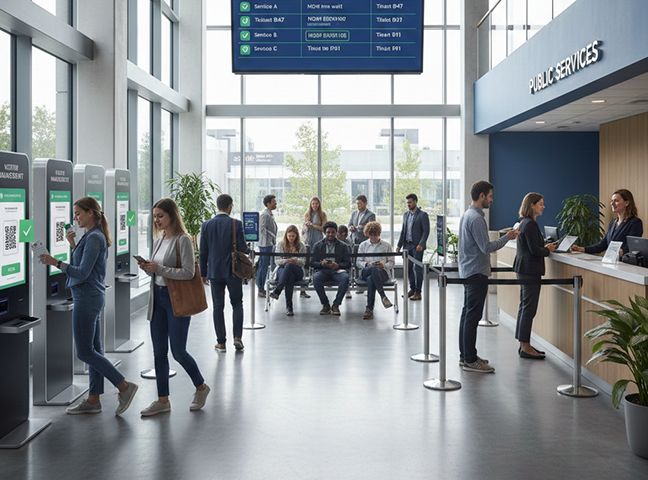
Self-service kiosks are transforming customer registration processes across sectors, redefining how organisations manage visitor flow, cut operational costs, and deliver seamless digital experiences. Whether in healthcare, government, or finance, these intelligent kiosks are replacing cumbersome paper-based systems with automated check-ins that reduce queues, speed up data capture, and improve accuracy. Organisations are finding that self-service registration is not just about convenience it’s also a strategic move towards greater efficiency and meeting the expectations of today’s digital-first customers.
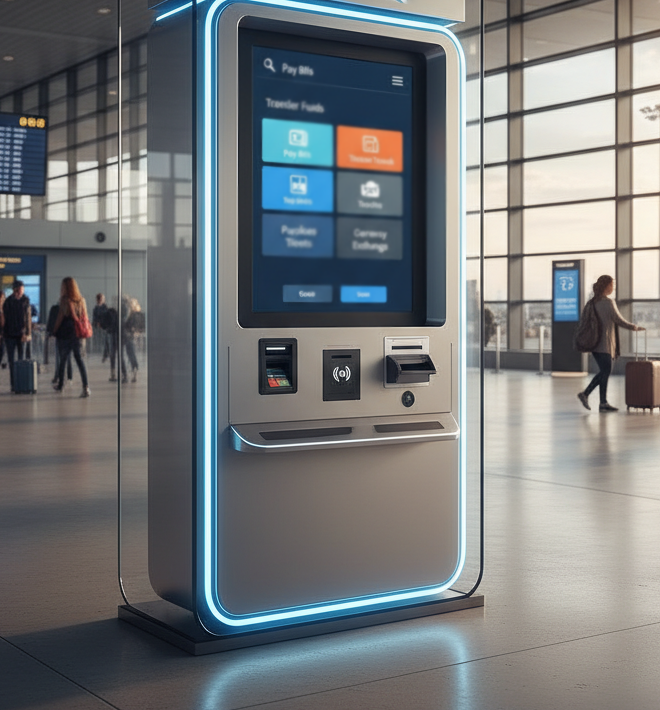
This shift has become especially pronounced in 2025, as contactless interactions and rapid service delivery are now baseline expectations. ATT’s Kiosk Operation Solution (KOS) leads this evolution, providing organisations with modular, scalable kiosks that adapt to varied operational needs while upholding strict security and compliance. With these solutions, businesses are achieving faster registration, better compliance, and noticeable gains in resource allocation all while delivering the modern, touch-free experiences customers now demand.
Streamlined Self-Registration with Digital Check-In Systems
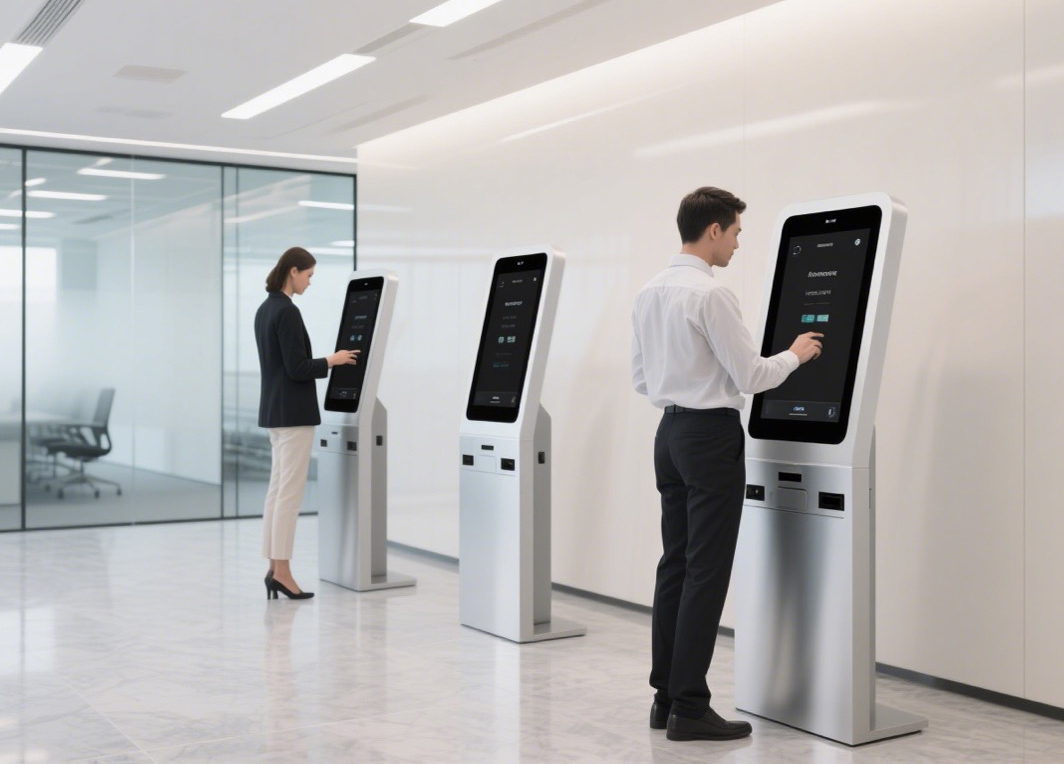
Self-service kiosks remove manual registration bottlenecks by allowing customers to check in independently via simple digital interfaces. These systems quickly capture visitor details, confirm appointments, and issue digital receipts, all while minimising paperwork and reducing the front-desk workload. Many organisations have seen registration times drop by up to 40%, without sacrificing accuracy or compliance.
Beyond saving time, digital check-in systems enhance the overall customer journey. With several kiosks operating at once, queues are dramatically reduced even at busy times. Staff are then free to assist customers with more complex needs, improving both the efficiency and personalisation of service delivery.
Automated Data Capture and Verification
Modern kiosks gather customer information through ID scans, barcodes, and digital forms, removing the errors of manual entry. Real-time validation checks against appointment systems and databases minimise duplicates and ensure data integrity. This supports downstream operations and meets the compliance needs of regulated environments.
Instant verification also helps different sectors like healthcare, government, or corporate offices meet their unique requirements, from insurance checks to visitor permissions, all without slowing the registration process.
Multi-Language Support for Accessibility
To serve diverse customer bases, self-service kiosks offer registration in multiple languages and include visual or audio prompts for greater accessibility. This reduces reliance on multilingual staff and guarantees a consistent, user-friendly experience for all visitors, regardless of their language or technical ability.
Such accessibility features make the registration process smooth for everyone, including the elderly or those with disabilities, supporting inclusive service delivery without extra staff training.
Enhanced Data Accuracy Through Automated Information Processing

Automated kiosks boost data quality by eradicating human errors and validating information as it’s entered. They cross-check customer details with existing records, flag inconsistencies, and ensure all required data is collected before registration is finalised. This is crucial in sectors like healthcare and finance, where accuracy is directly linked to service quality and compliance.
With consistent, legible data entry, organisations maintain reliable customer records that support effective decision-making and analytics, while also simplifying integration with other business systems.
Real-Time Database Integration
Kiosks update organisational databases instantly, ensuring staff have immediate access to customer records and appointments. Returning visitors benefit from pre-filled details, which further speeds up the check-in process and enhances service efficiency.
This seamless integration eliminates data silos, keeps records current, and supports smooth operations across all customer touch-points.
Validation and Error Prevention
Validation algorithms prompt users to complete missing fields, check data formats, and verify appointment details, preventing mistakes before submission. This reduces the need for manual corrections and ensures clean data for reporting and compliance.
Such proactive checks help guarantee that only complete, accurate registrations move forward, cutting down on errors and delays for both staff and customers.
Automated Compliance Documentation
Kiosks can automatically generate compliance records, such as visitor logs or health declarations, reducing administrative burdens and supporting regulatory requirements. All documentation is digitally logged, making audits and compliance checks straightforward and transparent.
This automation helps organisations stay ready for inspections and ensures that compliance standards are met consistently, without additional paperwork or effort.
Reduced Operational Costs and Resource Optimization
Self-service registration kiosks cut costs by reducing the need for front-desk staff and streamlining operations. Staff can be reassigned to more valuable roles, and the savings from less paper, storage, and admin work quickly add up. Many organisations see a return on investment within 12 to 18 months, thanks to improved efficiency and increased customer throughput.
Beyond direct labour savings, automated registration reduces errors, enhances compliance, and improves satisfaction driving more repeat visits and referrals while supporting sustainability goals through lower paper use.
Staff Reallocation for Value-Added Services
Automation frees up staff to focus on customer support, complex enquiries, or relationship-building, rather than repetitive data entry. This not only boosts staff morale but also elevates the quality of service customers receive, allowing teams to respond more thoughtfully to unique needs.
With technology handling routine tasks, staff can offer a more personalised touch, helping differentiate the organisation and strengthen customer loyalty.
Scalable Processing Without Additional Workforce
Kiosks enable businesses to handle higher visitor volumes without increasing staff. During busy periods, multiple units can process registrations in parallel, keeping service levels high and costs in check. This scalability is ideal for organisations facing seasonal peaks or rapid growth without extra budget for new hires.
The modular nature of kiosk solutions allows for easy expansion, ensuring that organisations can respond flexibly to changing demand while maintaining operational consistency.
Improved Customer Experience with Contactless Technology
Today’s customers value quick, contactless options for registration, and self-service kiosks deliver just that. They operate 24/7, don’t require staff to be present, and provide the same high-quality service at any hour. Features like instant appointment scheduling, digital receipts, and real-time confirmations help create a smooth, satisfying experience that encourages customers to return.
Contactless registration also supports health and safety by minimising shared touchpoints and reducing crowding, making customers feel safer and more in control of their visit.
24/7 Registration Availability
With self-service kiosks, registration is possible at any time, which is ideal for facilities with variable or extended hours. This flexibility reduces missed appointments, accommodates diverse schedules, and ensures that service is always accessible to those who need it, regardless of the time of day.
Organisations serving international visitors or shift workers especially benefit from this round-the-clock availability, which enhances both accessibility and customer satisfaction.
Reduced Wait Times and Queue Management
Automated registration cuts down queues by serving multiple customers at once and integrating with queue management systems for smart routing. This leads to faster check-ins, shorter waits, and more accurate information about service times improving both the flow of people and the overall visitor experience.
Real-time updates and predictive analytics further help customers choose the best times to visit, streamlining operations and maximising capacity utilisation without additional staff overhead.
Real-Time Analytics and Performance Monitoring Capabilities
Self-service kiosks provide real-time insights into registration patterns, peak usage, and system performance, helping organisations allocate resources efficiently. Built-in analytics show trends in processing times and user behaviour, supporting data-driven decisions for staffing and facility management all while adhering to data privacy regulations.
This shift turns registration from a basic process into a valuable source of business intelligence, enabling continual improvement and clear measurement of technology investments.
Operational Dashboard and Reporting
Dashboards offer instant access to key metrics like registration volumes and completion rates, across all kiosk locations. Managers can generate tailored reports for various needs, ensuring clear oversight and quick responses to any operational challenges.
Customisable dashboards also highlight the metrics most relevant to organisational goals, supporting targeted improvements and efficient management.
Customer Journey Analytics
Analytics track how customers interact with kiosks, revealing bottlenecks and service gaps. This information informs smarter kiosk placement, staffing, and interface design, directly enhancing the customer journey and operational performance.
By understanding user patterns, organisations can refine services and ensure that technology genuinely makes processes easier for everyone.
Predictive Capacity Planning
Historical data from kiosks supports accurate forecasting for peak times and future resource needs. Organisations can plan proactively, reducing surprises and maintaining consistent service even as demand changes.
This predictive approach supports long-term planning, helping organisations stay agile and responsive while making smart investments in capacity and capability.
Enhanced Security and Compliance Management
Self-service kiosks elevate security by automating visitor tracking, maintaining digital audit trails, and integrating with access control systems. These features are vital for regulated sectors where documentation and compliance are essential. The systems log every action, support identity checks, and allow quick responses to incidents, all while protecting data privacy.
Contact ATT at infosoft-sales@attsystemsgroup.com for details.
Frequently Asked Questions
Q: How do self-service kiosks actually reduce wait times compared to traditional registration desks?
A: Self-service kiosks process multiple registrations simultaneously, distributing customer flow and eliminating bottlenecks that often occur at staffed desks.
Q: What features make ATT’s Kiosk Operation Solution (KOS) stand out for customer registration?
A: ATT’s KOS offers modular, scalable self-service technology with real-time data integration, automated compliance, and advanced security features tailored to different industries.
Q: Are self-service kiosks accessible for elderly or non-English speaking customers?
A: Yes, kiosks provide multi-language support, adjustable interfaces, and audio guidance to ensure accessibility for diverse user groups, including the elderly and non-native speakers.
Q: How do kiosks help organizations stay compliant with data privacy regulations?
A: Kiosks automatically generate audit trails and compliance documentation, enforce data validation rules, and securely store sensitive information in line with industry regulations.
Q: Can self-service registration kiosks handle high volumes during peak times without extra staff?
A: Yes, kiosks are designed for scalable capacity, allowing organizations to process more customers simultaneously without increasing workforce costs.
Q: What kind of analytics do self-service kiosks provide to help improve operations?
A: Kiosks deliver real-time dashboards, customer journey tracking, and predictive analytics that help managers optimize resource allocation and improve service delivery.
Q: Do self-service kiosks offer contactless registration options for safety and convenience?
A: Absolutely, modern kiosks support fully contactless check-in, reducing physical interactions and providing 24/7 registration availability for customers.
Contact ATT at infosoft-sales@attsystemsgroup.com for details.
Send us a message
Contact Information
Address:
35 Ubi Crescent, ATT Building, Singapore, 408585
Phone:
Email:
Website:
www.attsystemsgroup.com